

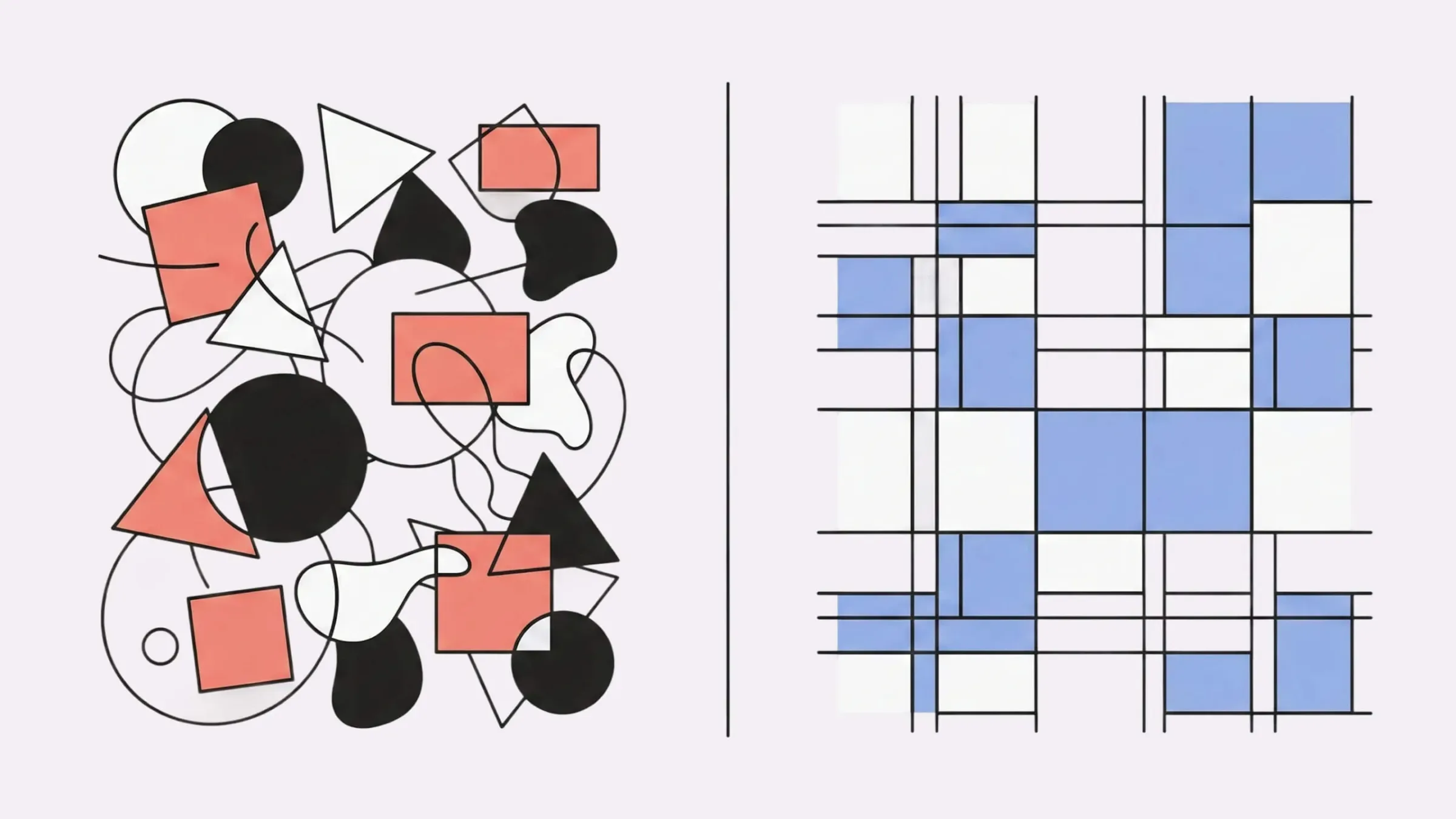
In 2026, brands are dealing with more creative input than ever. New tools, new platforms, new trends, and a constant stream of opinions about what design should look like and how fast it should be made.
This perspective is not based on theory or trend watching alone. It is shaped by years of client work, internal critique, and designing for brands that need to last longer than a single launch or campaign.
Valentine’s Day felt like a fitting moment to borrow a dating metaphor and talk about creative choices the same way we talk about relationships. Some things are exciting at first and hard to maintain. Others feel less flashy, but hold up once you actually have to live with them.
When creative decisions do not hold up, the cost is not just aesthetic. It shows up in brand trust, internal misalignment, and the need to redo work that never fully did what it was supposed to do.
Here is what we are swiping left and right on in 2026.
1. Looks Without Substance
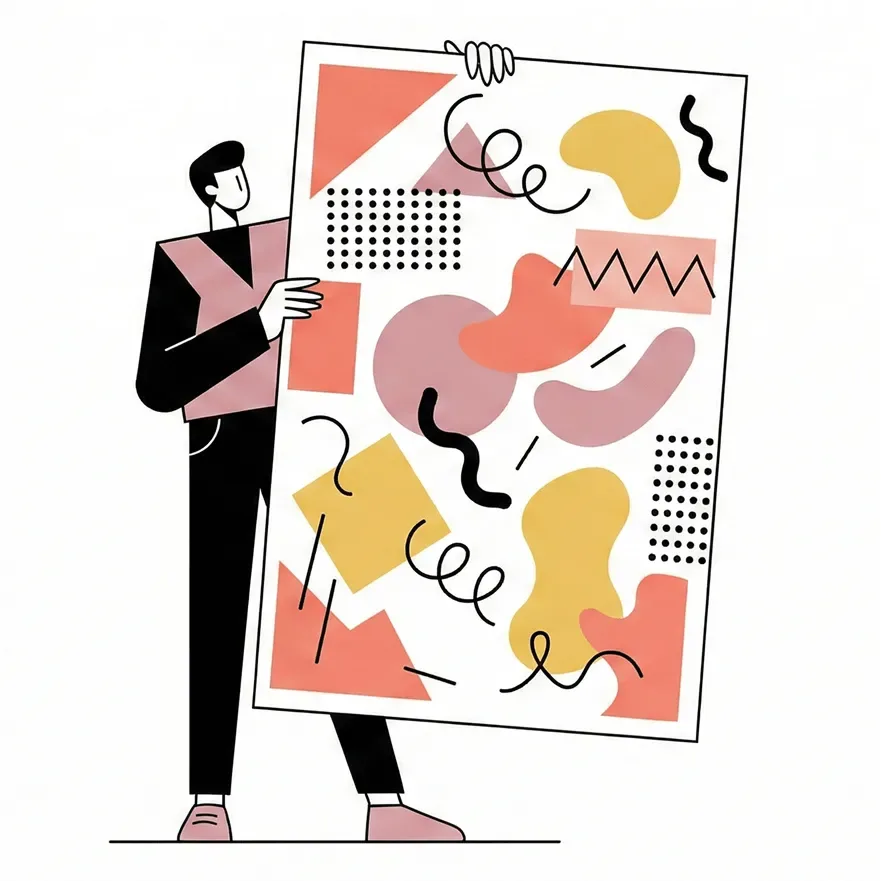
When design prioritizes aesthetics over strategy
Swipe Left
Pretty work with no clear point of view, business context, or reason to exist.
Why it works:
- Looks good in isolation but struggles in real-world use
- Creates surface-level differentiation that does not last
- Makes design feel optional when priorities or budgets shift
Swipe Right
Design that starts with clarity around business goals, brand positioning, and audience needs.
Why it works:
- Visual decisions have clear rationale
- Systems scale instead of breaking down
- Design supports the business instead of sitting on top of it
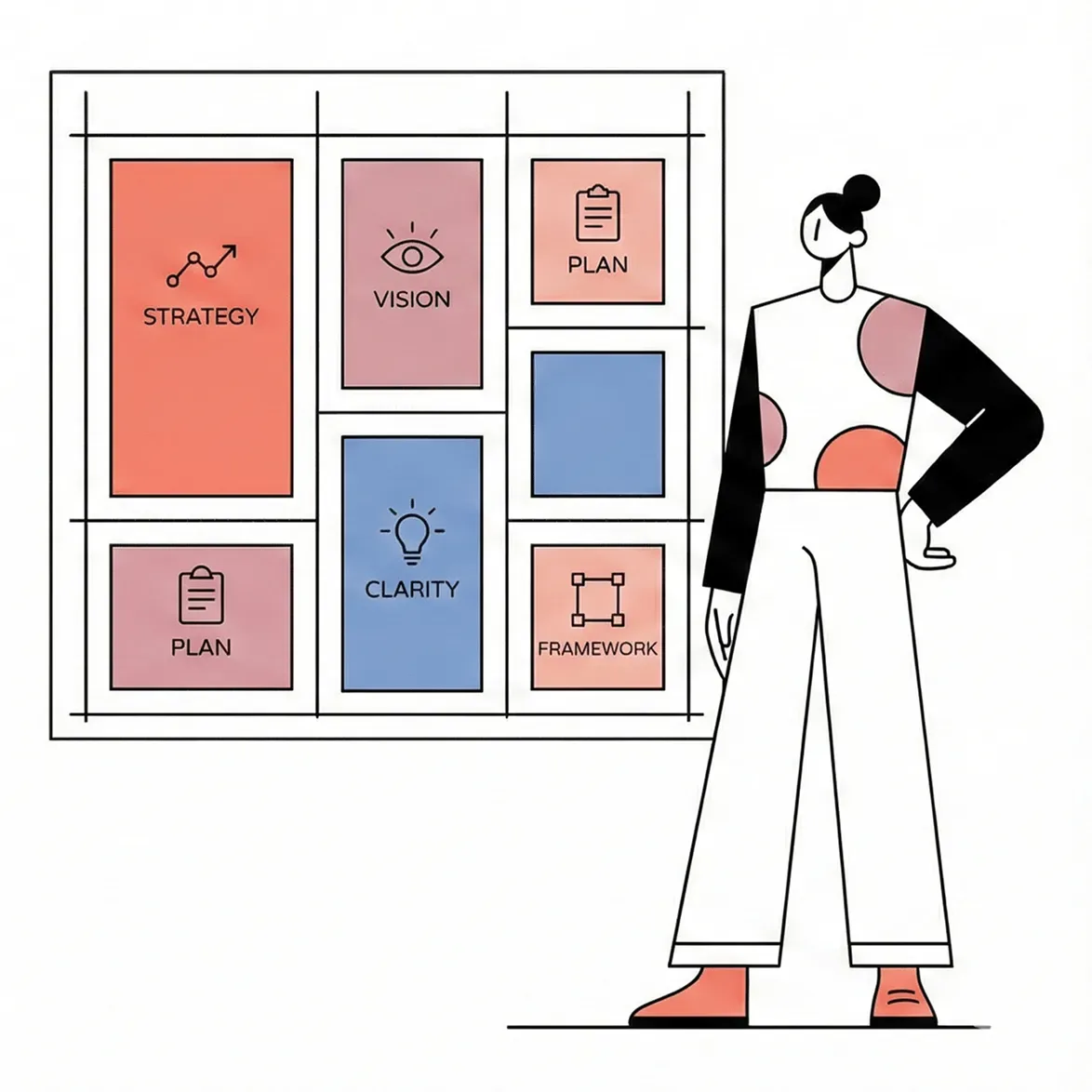
When design prioritizes aesthetics over strategy
2. Speed Dating With AI
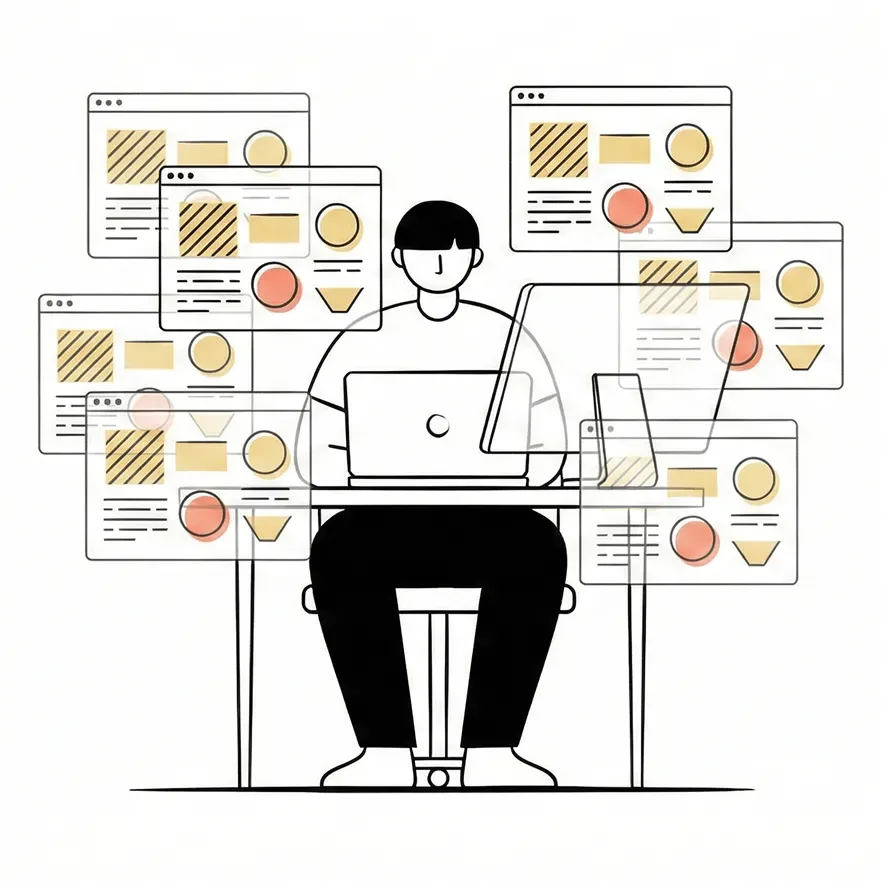
Using AI without authorship, judgment, or taste
Swipe Left
Using AI to produce work faster without strong judgment, editing, or ownership.
Why it falls short:
- Brands start to look and feel interchangeable
- Creative decisions lose intention
- The work signals speed over care
Swipe Right
Using AI as a tool to support creative thinking, not replace it.
Why it works:
- Human taste still sets the direction
- AI helps explore options, not make final calls
- Brands feel considered and authored, not assembled
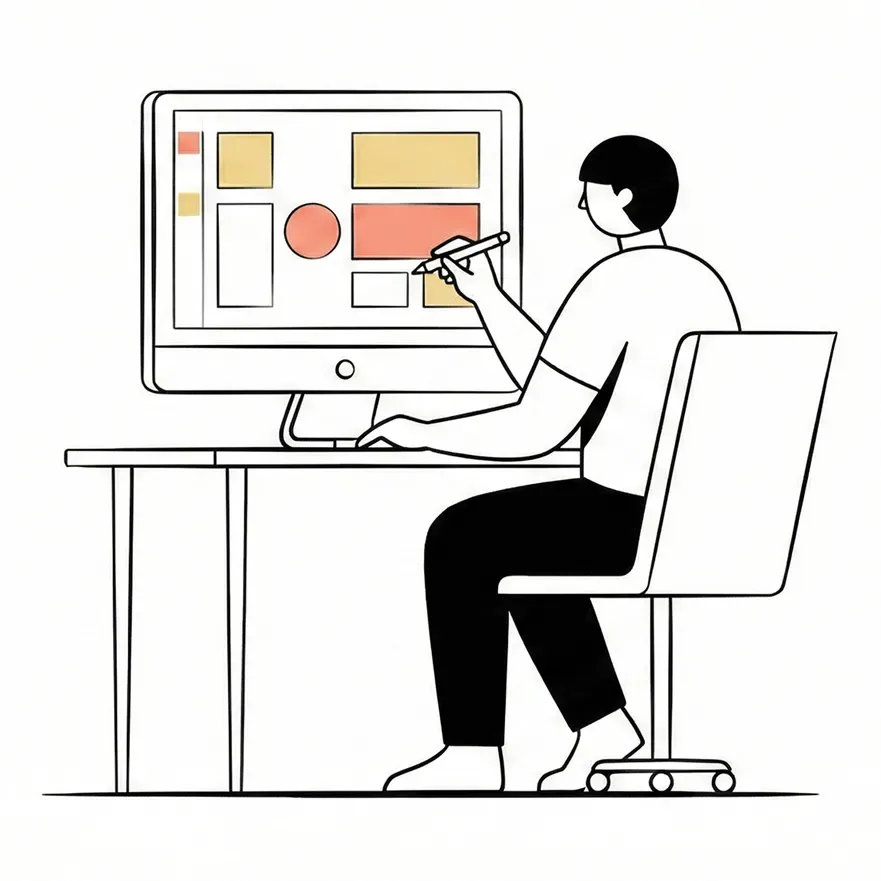
The fastest way to make something is not always the best way to make it last.
3. Chasing What’s Popular
Adopting visual trends without considering long-term brand fit
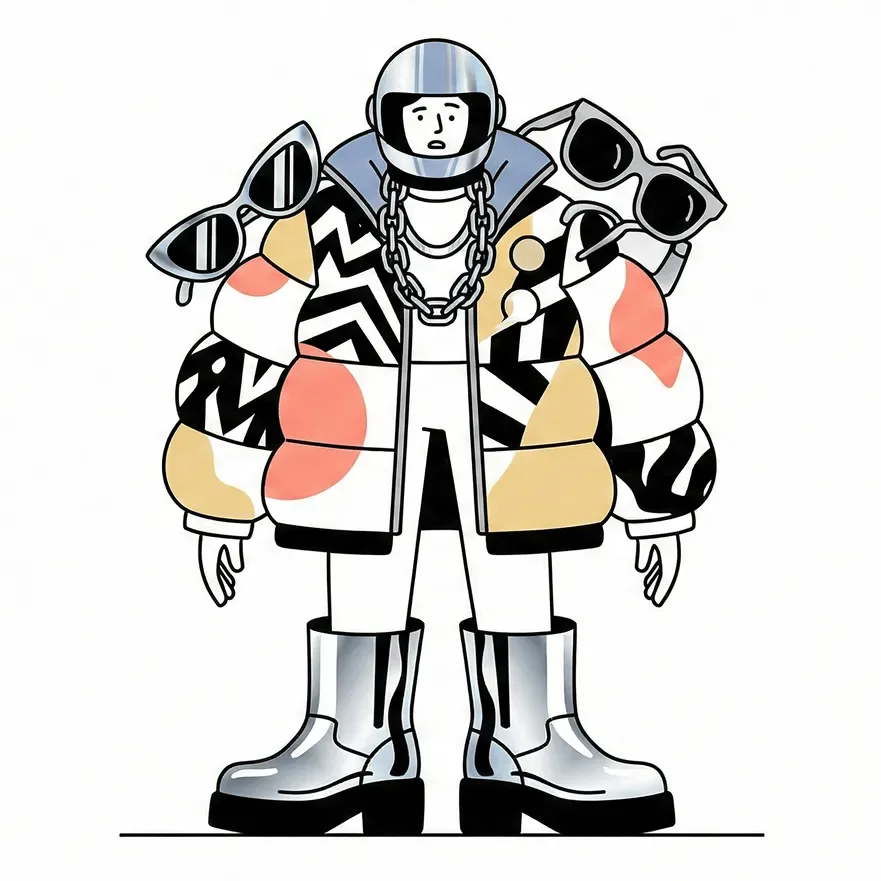
Swipe Left
Jumping on visual trends because they are popular, not because they are right.
Why it hurts brands:
- Fast shelf life that dates the brand prematurely
- Forces constant redesigns instead of long-term equity
- Prioritizes looking current over being recognizable
Swipe Right
Using trends selectively when they serve the brand, not replace it.
Why it works:
- Trends are treated as inputs, not foundations
- Visual systems are built on core principles, with trends layered in where they add value
- Brands can feel contemporary without losing coherence or longevity
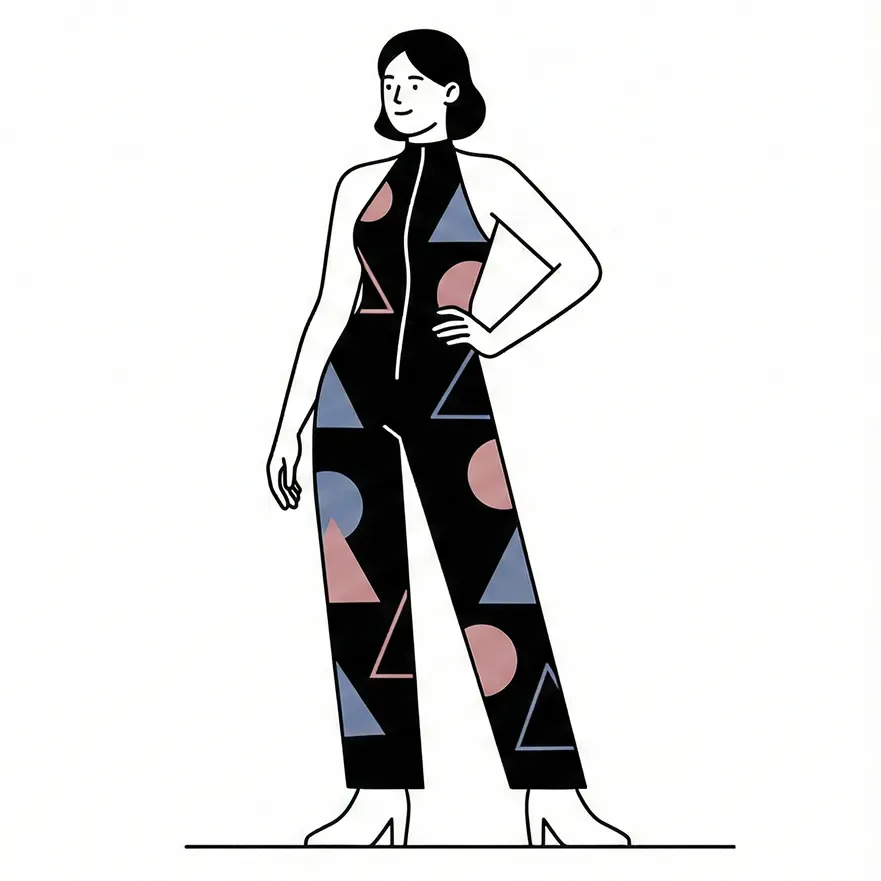
Trends work best when they support a brand, not when they define it.
4. Optimizing for Attention, Not Trust
Design decisions driven by short-term metrics instead of brand context
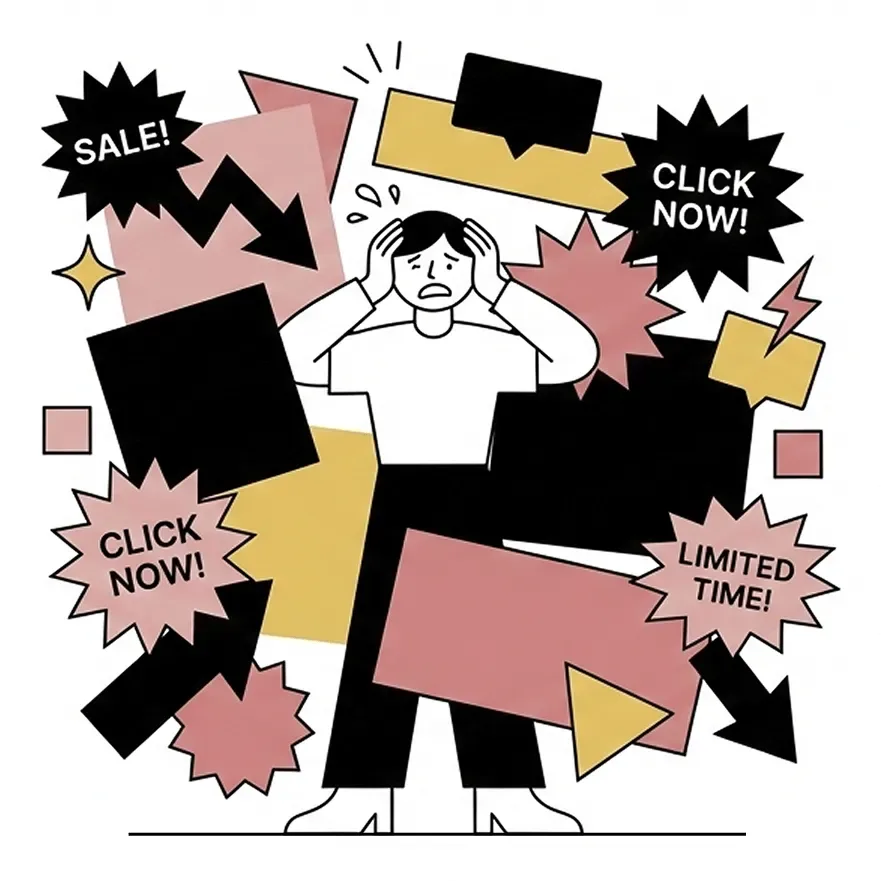
Swipe Left
Design decisions driven only by short-term performance signals, without considering long-term brand trust.
Why it’s risky:
- Metrics like clicks and impressions do not guarantee belief or loyalty
- Experiences can feel transactional rather than intentional
- Brand erosion happens slowly while performance still looks acceptable
Swipe Right
Design that balances performance goals with clarity, credibility, and emotional confidence.
Why it works:
- Trust supports performance instead of competing with it
- Brands feel thoughtful, not engineered
- Results improve because people actually believe what they engage with
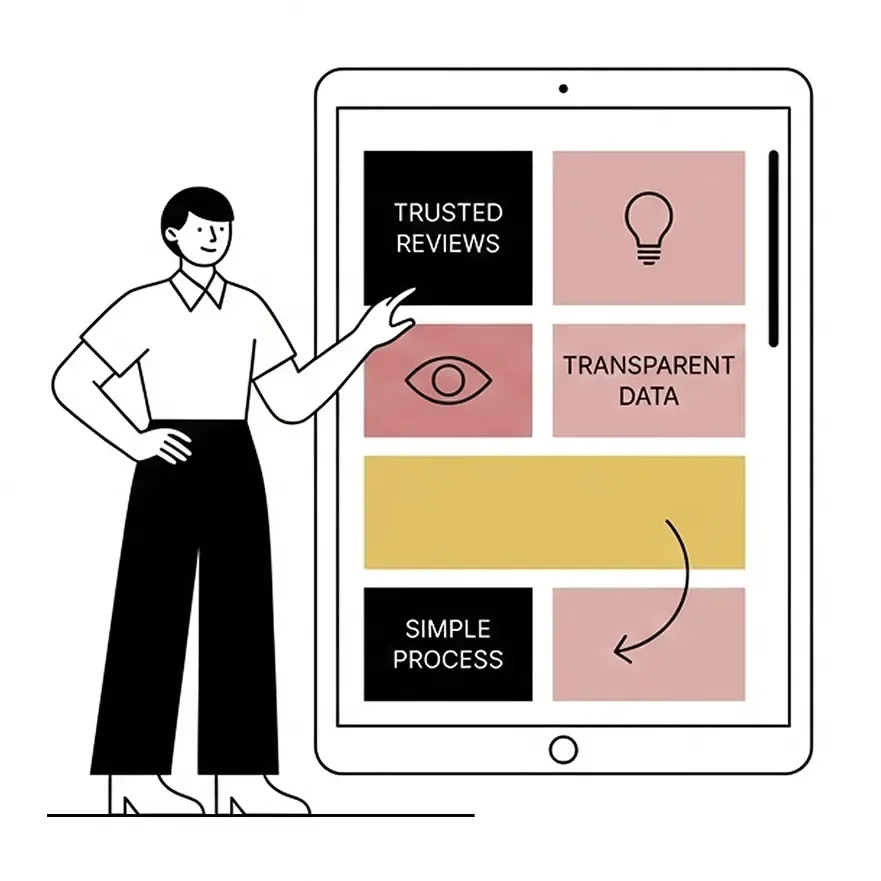
Attention is easy to get. Trust takes longer.
5. Playing It Safe
Consensus-driven creative that avoids risk instead of building conviction
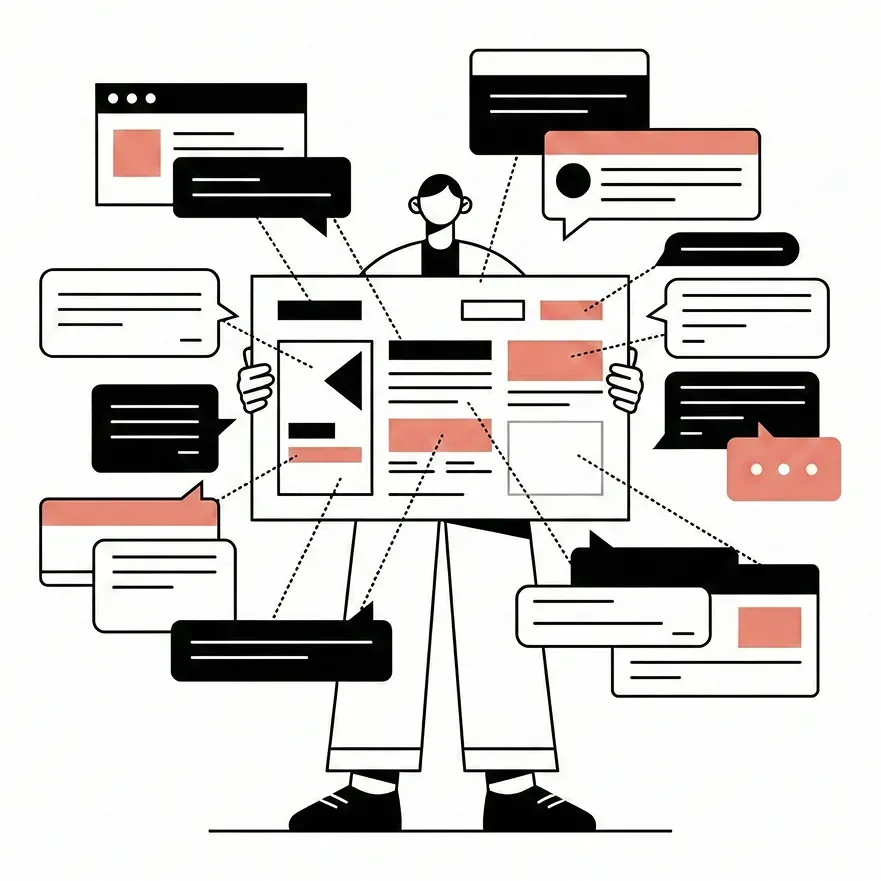
Swipe Left
Design by committee, shaped to avoid risk rather than informed by insight.
Why it falls short:
- Strong ideas get diluted through over-alignment
- Decisions are driven by comfort instead of clarity
- Research gets used to justify safe choices instead of guiding better ones
Swipe Right
Clear points of view grounded in research, data, and shared understanding.
Why it works:
- Research gives teams confidence to commit, not hedge
- Decisions are easier when insight replaces opinion
- Decisions are easier when insight replaces opinion
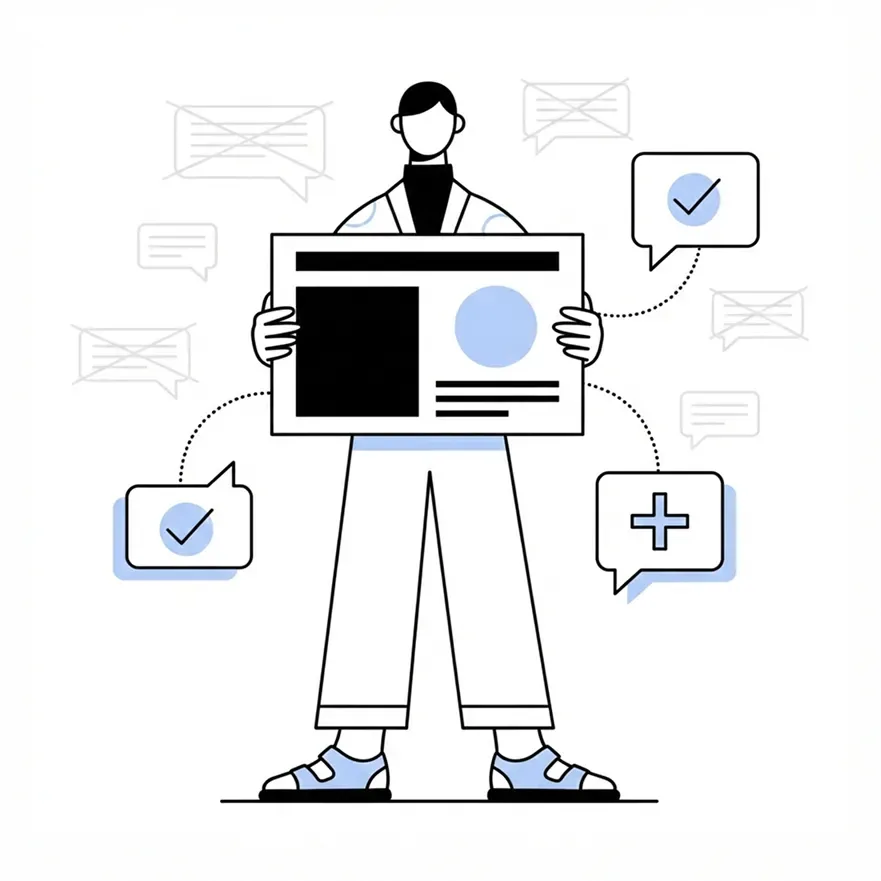
Alignment matters, but it should not come at the cost of conviction.
Bonus: Mistaking Complexity for Sophistication
When more layers and features create friction instead of clarity
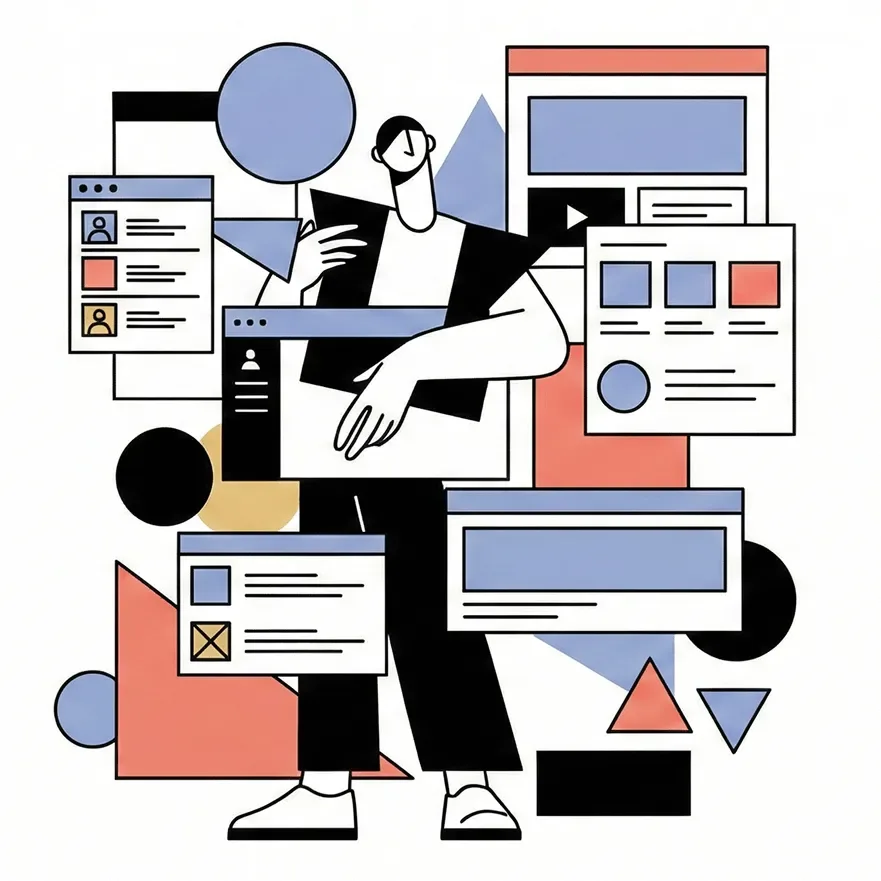
Swipe Left
Design that adds layers, features, and visual complexity to signal importance or depth.
Why it backfires:
- Complexity is often mistaken for depth
- Products and brands become harder to understand, not more impressive
- Teams spend time maintaining design instead of improving it
Swipe Right
Restraint backed by clear thinking.
Why it works:
- Simplicity makes brands easier to trust and remember
- Design systems stay flexible instead of fragile
- What remains feels intentional, not unfinished

Complexity is rarely a sign of maturity. Clarity usually is.
What We’re Saying Yes To in 2026
In 2026, we are prioritizing:
- Taste over volume
- Clarity over cleverness
- Systems over stunts
- Creative decisions that hold up over time
At a certain point, good design is a lot like dating. Saying yes to everything rarely works out. The better move is being clear about what actually fits, and sticking with it once you commit.
The brands that do well long term tend to make fewer choices, make them more intentionally, and stop second-guessing every new option that shows up.
In 2026, that kind of clarity matters more than ever. The real question is which creative habits brands are ready to let go of, and which ones they are willing to commit to for the long term.

Nicole Soltes leads the agency’s creative vision across brand and digital experiences. She focuses on building thoughtful digital products that help companies scale with clarity and intention. Her work bridges brand and business, turning complex ideas into cohesive systems that perform in the real world.